Publishing a few days late this time because I managed to pick up a stinking cold at the end of last week. Remarkable that it didn’t happen earlier, given that the month was unusually heavy on visitors, meetings, operas and other crowded places. Not that I mind any of that, of course – I’ve spent quite enough of my life in splendid isolation.
Anyway, to business. Here are some highlights from last month…
Roaming
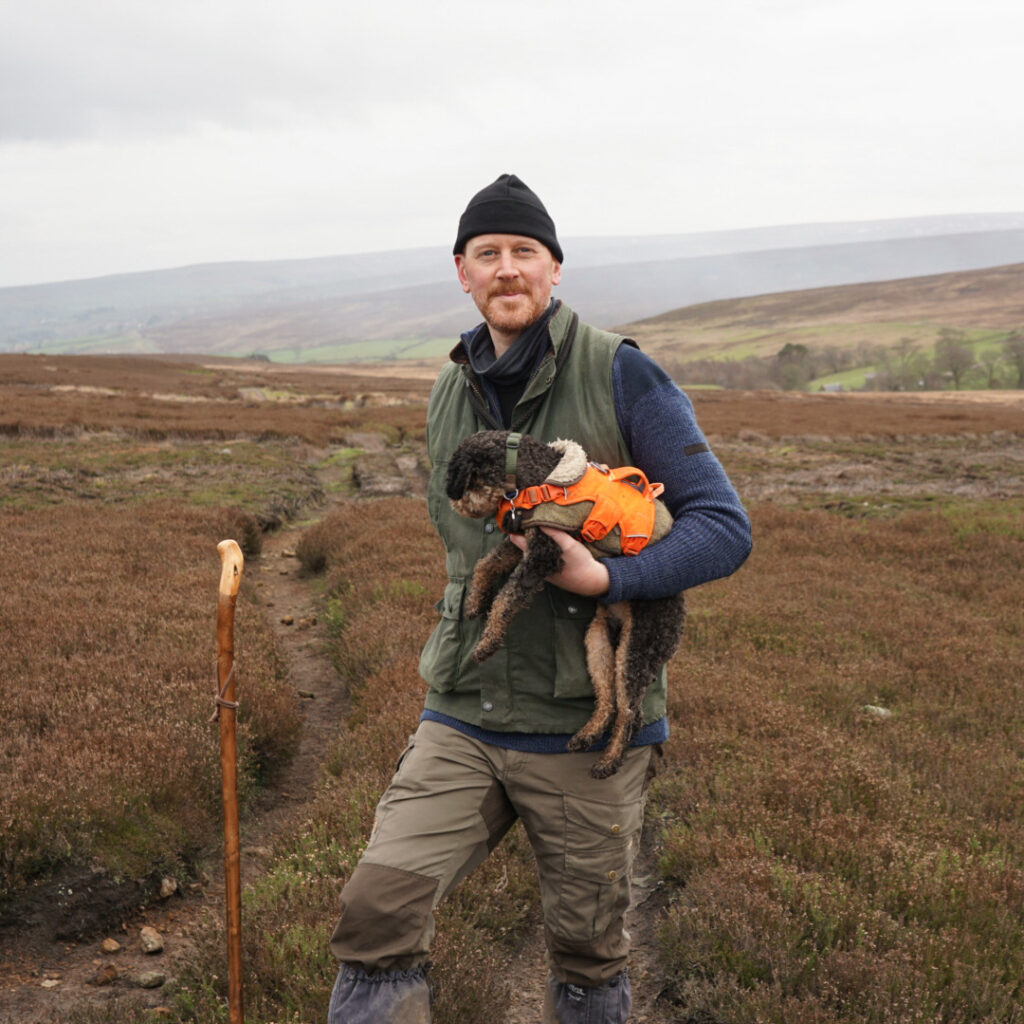
One of my side projects for this year is to put together a little guidebook of my top 25 walking routes on the North York Moors.
I’ve been contributing local walking routes to outdoor magazines for well over a decade now. Some of these are still buried in forgotten corners of the internet, but since they were primarily for print media, most have long since become proverbial fish and chip paper.
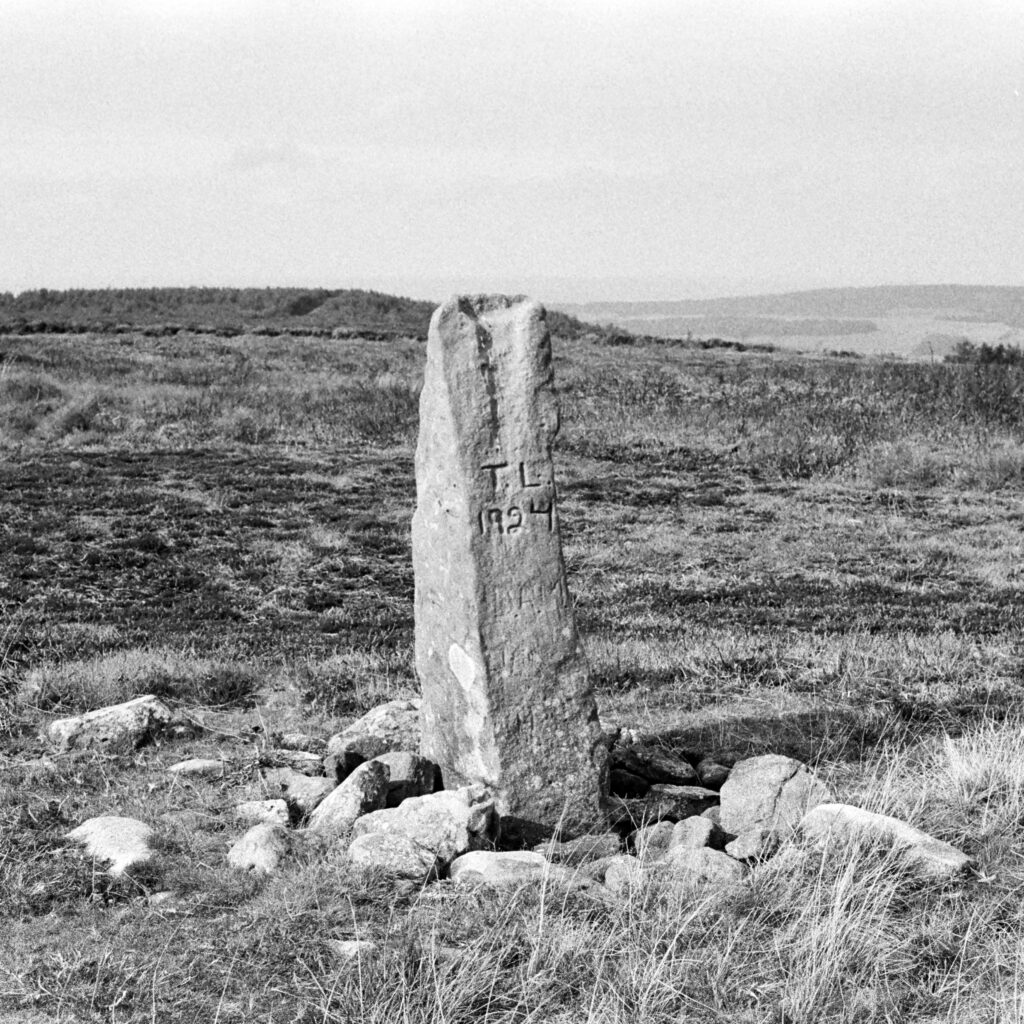
I’ve always fancied compiling some of the favourites into a book – just for my own satisfaction, if nothing else. And so I’ve drawn up a shortlist, mapped them and started ticking them off. This month I did a couple of longer routes and a couple of shorties. Of the full-day walks, one was centred around the Commondale Shepherds’ Monument and the other was a loop taking in Simon Howe near Goathland – a Bronze Age burial site and one of my favourite spots in the North York Moors National Park.
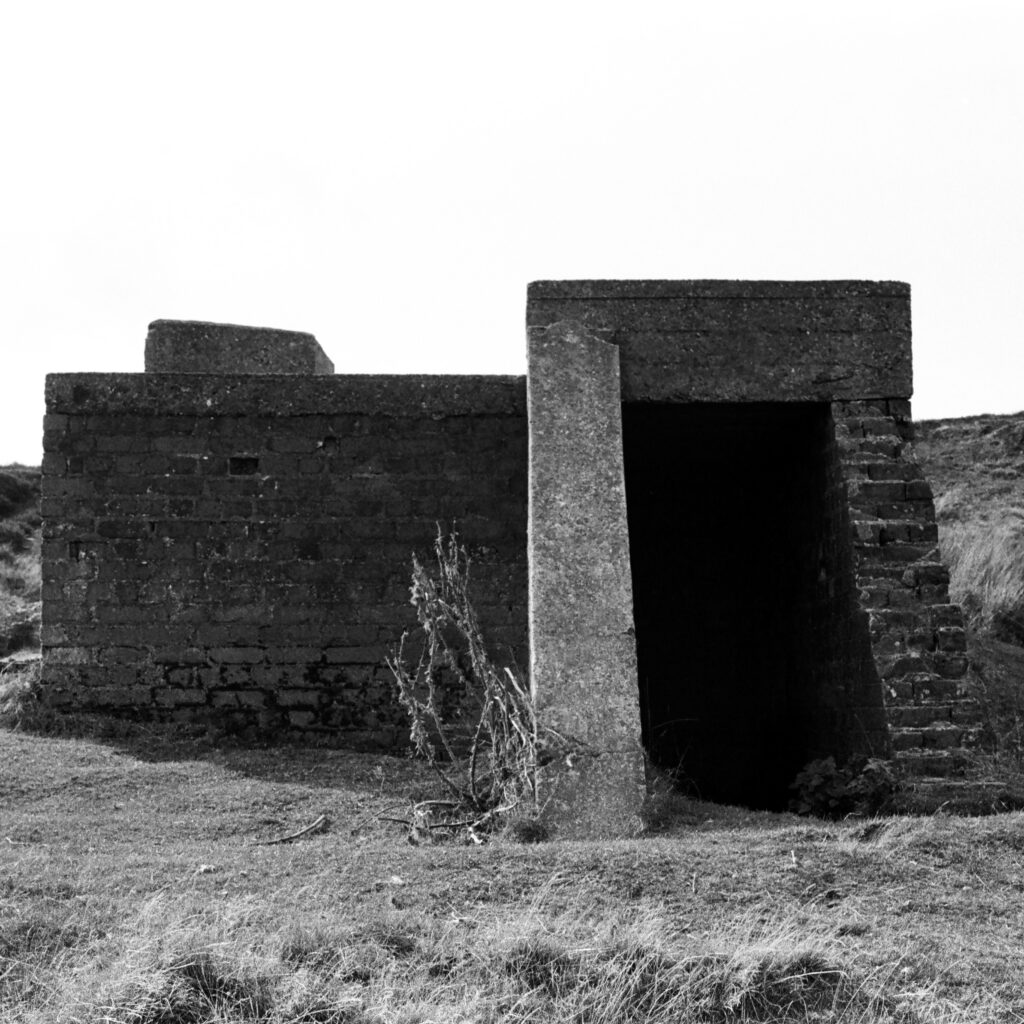
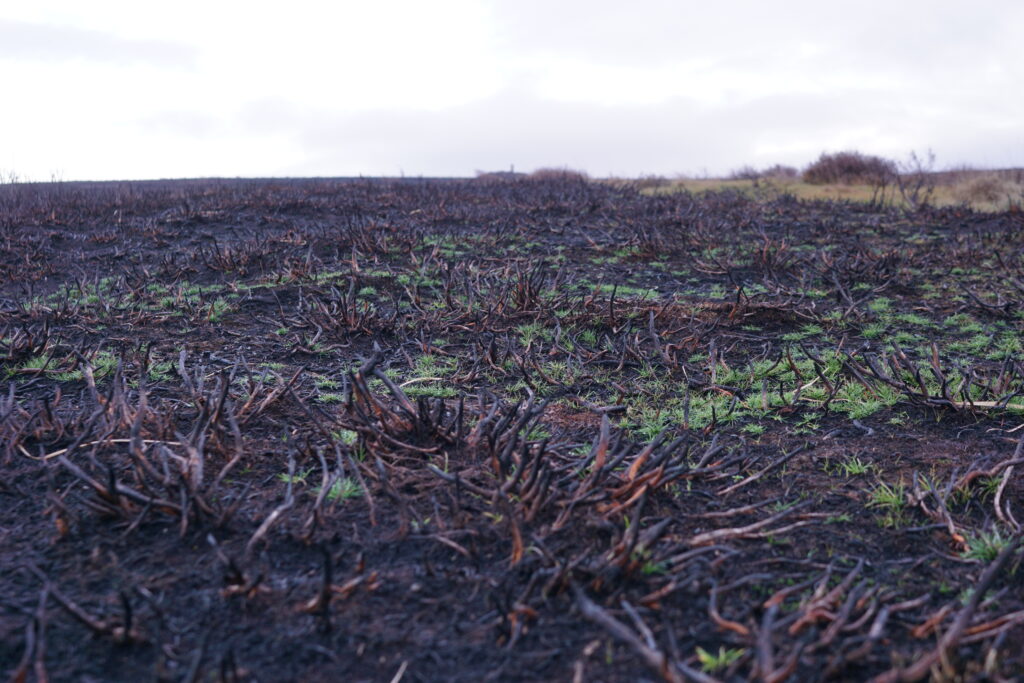
The latter route also gave me an opportunity to see how the moors are recovering from the massive wildfire that burned for several weeks last summer – an operation made considerably more complicated for firefighters by the fact that the ground still contained unexploded ordinance from when it was a military firing range in the 50s. Still very black and bleak up there, torn up with massive firebreaks.
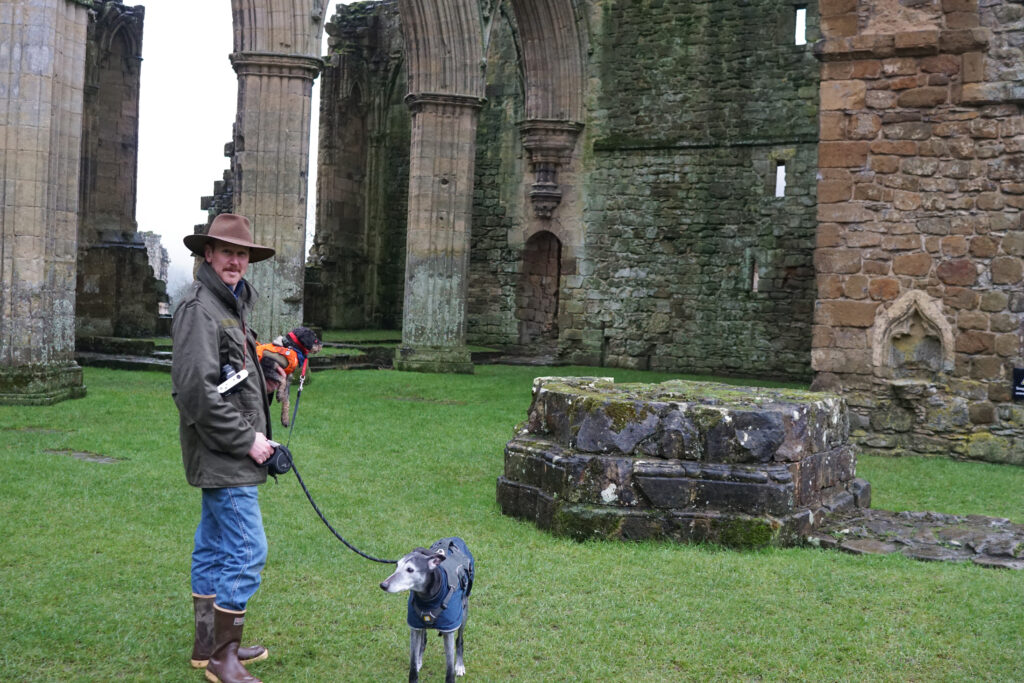
It was also Valentine’s Day on the 14th, of course, so H and I celebrated by walking a stretch of the 50-mile Ripon Rowel Walk. We’ve been knocking this off in non-consecutive stages since late last year, and this time we did the bit from Ripon city centre out to South Stainley.
It’s a different kind of walking to my usual moorland yomps. Villages, farms, woodlands and riverbanks – chocolate-box England at its finest. And I can’t think of many things much more romantic than sitting in the mud under a tree sipping Thermos flask tea while the dogs graze on sheep poo.

Reading
An upcoming work project means I need to revisit the whole of Sherlock Holmes over the next month or two, so that took up a good chunk of my reading time – but I did manage to sneak in some other authors around the edges of so much Conan Doyle.
I’m a big fan of Alan Furst’s Night Soldiers series – devious and sprawling spy novels set around the time of the Second World War, often with an Eastern European angle. This month’s instalment was The Polish Officer (1995), and it was my favourite so far. Following the story of a military cartographer-turned-spy, it was more humorous than its predecessors, and sadder too.
Alan Furst’s writing always reminds me that taste is very much a real thing. I loved the first one in the series (Night Soldiers (1988)) so much that I picked up a second-hand copy for my mum. She thought it was the worst thing she’d read that year, and next time I came home I spotted it in the recycling.
Writing
In terms of non-fiction, I enjoyed the upcoming memoir, Things We Found in the Ground: A Metal-Detecting Journey Through Britain by Eleanor Bruce and Lucilla Gray.
I read the book ahead of publication because I was interviewing Ellie and Lucie for The Simple Things magazine. They’re two cousins living in Lincolnshire who started detecting just after the first lockdown in 2020, and have since unearthed everything from a Bronze Age axe head and Roman denarii to medieval brooches and WW2 relics. They post a lot of content about their digs and finds online as Roman Found – notably on Instagram where they’ve got nearly a hundred-thousand followers.
They were the best sort of interviewees – friendly, articulate and full of enthusiasm for what they do. The article should be in the April issue of The Simple Things.
Wearing
I do like an old military-style field jacket. I’ve got a few, including a Brandit M65 knock-off (getting tatty but very warm), a Greek army surplus one and a lightweight summer version from Orvis.

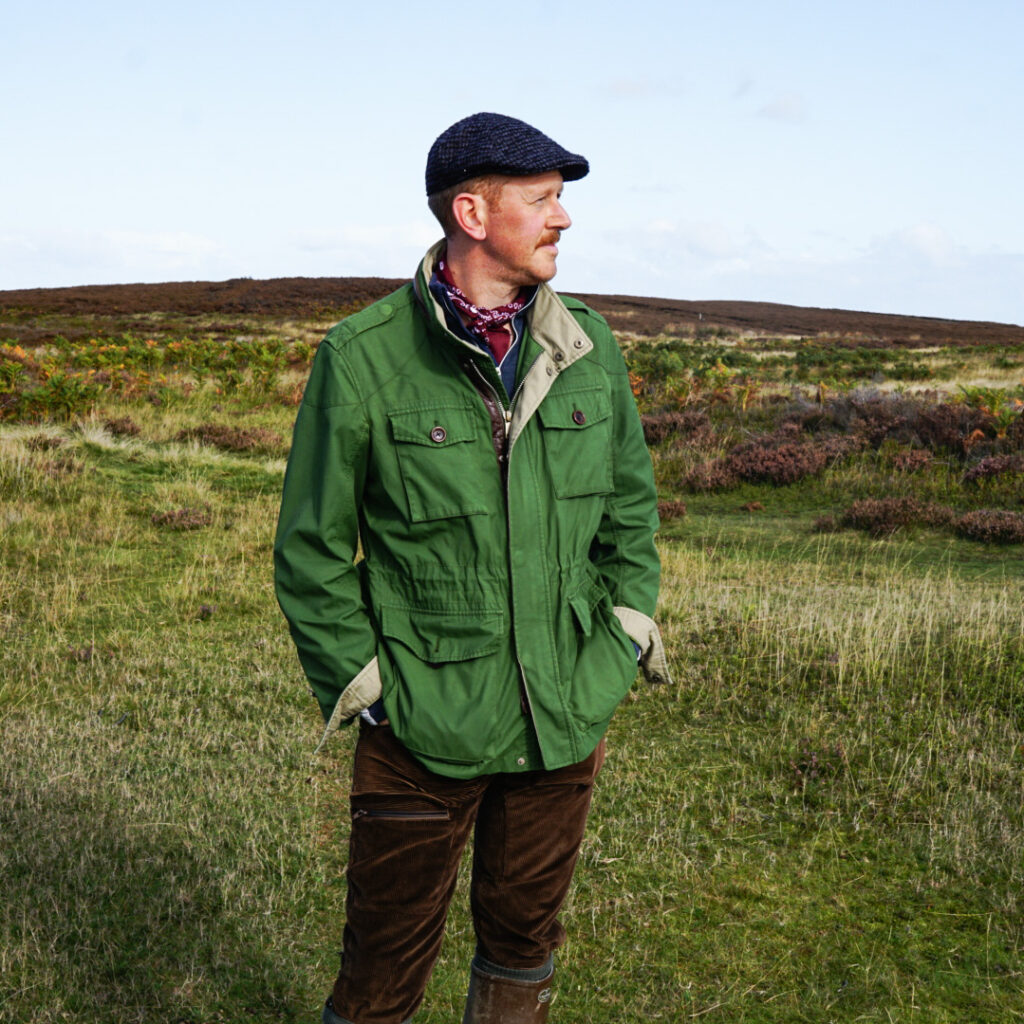
At this time of year, the one that gets the most wear is a heavyweight field jacket from the Austrian Bundesheer.
It’s their take on the American M65 cold weather jacket, and I actually like it a bit better because it’s cut longer and the material is thicker than other M65-type jackets I’ve come across. The Austrians still have national service and they wore these jackets for decades, so there are loads of them in military surplus shops and you can pick them up pretty cheaply. Mine’s from 1998 and still has plenty of life left in it.
One small adjustment I made was to remove the Austrian army patch from the shoulder. I’m a big fan of Austria as a rule, but it feels funny walking around with a foreign army’s insignia on your sleeve. I replaced it with an alternative patch that makes very little sense unless you are an elder millennial male.
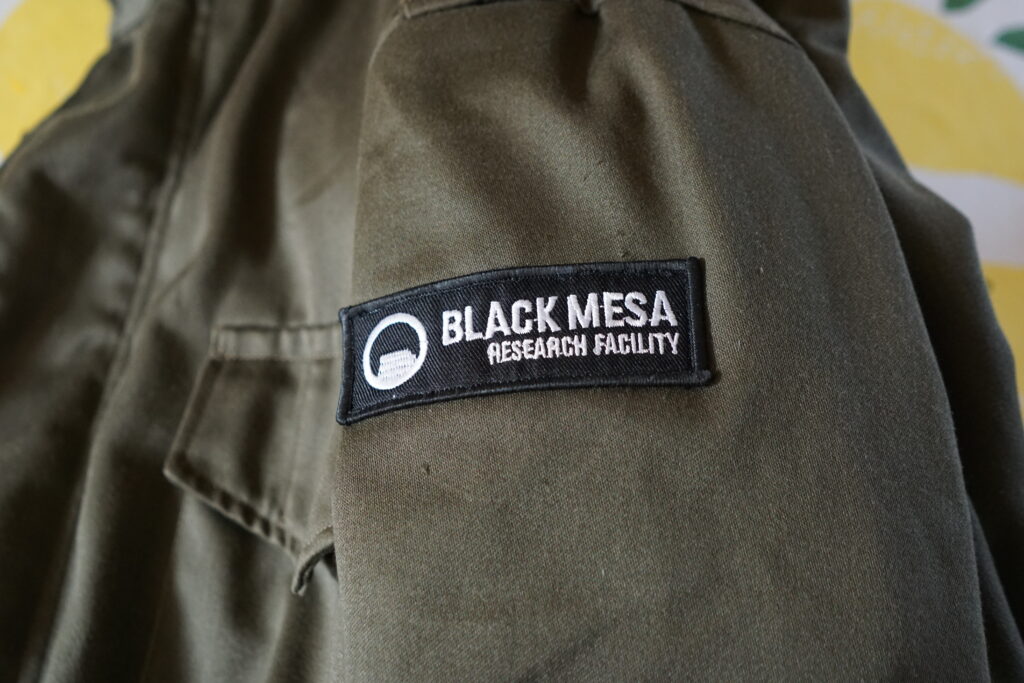
Speaking of nostalgia, as the weather warms up, I’m tempted to track down a British 68-pattern DPM combat jacket of the sort that I wore as a cadet in the 90s. Partly for old time’s sake, but also because – teamed with my lurcher, moustache and patchwork flat cap, I think I might look even more like a poacher.
Using
The heating in my cottage still runs off an open fire with a back boiler – a system that some may remember dimly from the 1970s. Since coal was outlawed a few years ago, I burn ‘smokeless’ cobbles from a brand called Newburn. They’re not a bad substitute but they take a bit of lighting.
To accomplish this, I use a bizarre device that my stepfather bestowed upon me, last used by his mother sometime in the 60s. It’s sort of like a supercharged hairdryer with a heating element and a fan – only the air it kicks out is hot enough to set wet coal on fire inside five minutes.
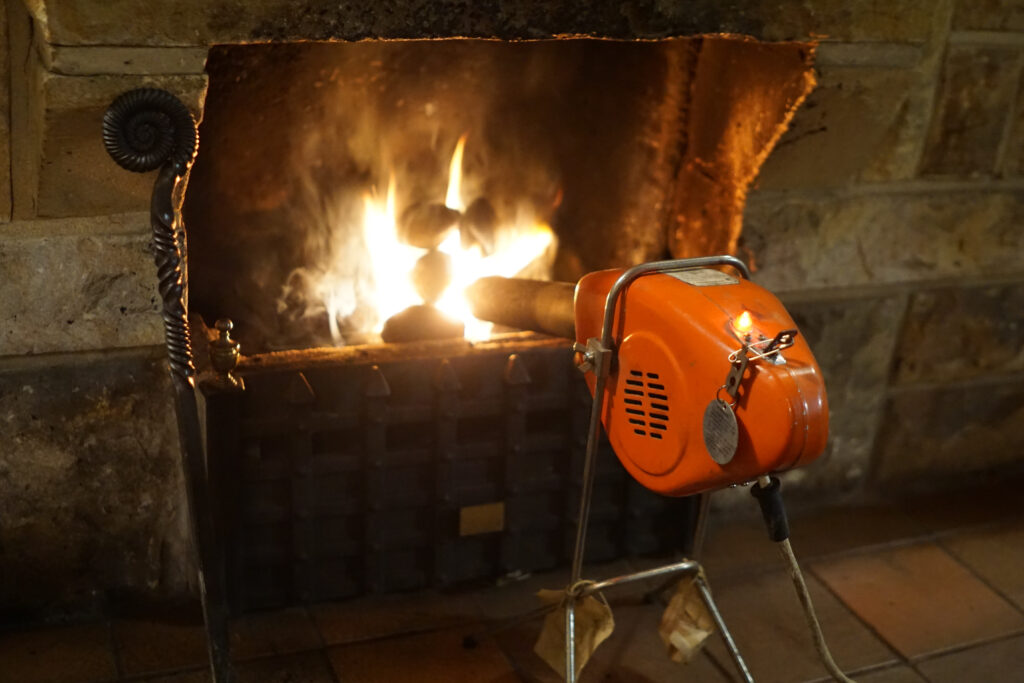
A relic from a time before health and safety, it’s an effective and rather dangerous piece of apparatus, and I’m pleased that it’s still in action more than half a century later.
Anyway, visitors are always intrigued by it, and perhaps you will be too.
Learning
Like so many others these days, I’ve been rediscovering the pleasures of analogue photography. This is mainly because I read the iconic Dispatches by Michael Herr last year, and immediately fell down a rabbit hole of Vietnam War photography.
For work and play, I normally use a Sony Alpha A6000, and I often tiddle with the settings a bit, but it’s a clever piece of kit and when I adjust one thing, it then tweaks all its other settings to optimise the result.
Not so with a manual camera, where technical knowledge and experience matter rather more (unfortunate, since I have neither), and mistakes cost actual money. As a bit of a halfway house, I bought myself a Yashica FX-D Quartz from the early 1980s (not to be confused with the new digital one). While it is a fully manual camera if you want it to be, it’s got a handy little system that helps you set the aperture correctly, plus an automatic shutter speed setting.
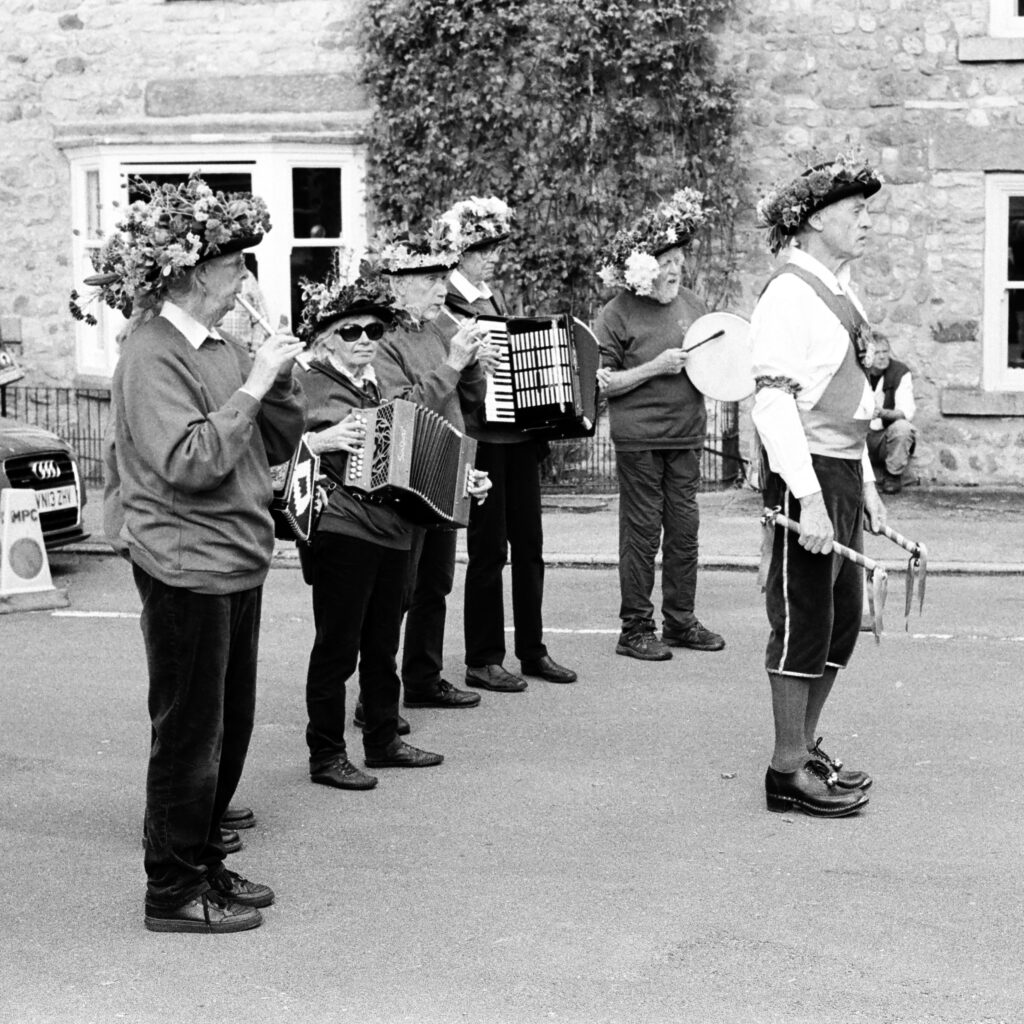
Helped along by these little enhancements (and reasonably cheap mail-order developing from Not Quite North in Lincoln), I’ve been having fun snapping away on black and white film. The results have made my life look a bit like a vintage folk horror film, but that’s all to the good.