
I realised a while back that there’s not a lot online about how to style berets for men – and looking at what there is, most of it is cobbled together from the first page of Google by people who’ve never worn one (or more likely by robots who’ve never worn anything at all).
Here, then, is my tuppence-worth, which may or may not be useful but is at least based on my own life rather than just the internet.
I’ve always been a hat-wearer. Fedoras and Panamas are my first and most enduring loves, but I’ve dabbled in boaters, Homburgs, bowlers, Breton caps, flat caps, baker boys, and just about anything else that’s ever featured in an episode of Poirot. Last winter, during a brief spell of driving a (borrowed) soft-top Saab 900, I wore a Cossack hat, mainly because I’d seen Tom Hollander wearing one in ITV’s version of The Ipcress File.
I started dabbling in berets about seven years ago – initially as a sort of test of my confidence. For an item of clothing that was once ubiquitous, unremarkable workwear for fisherman and farmers, these days it takes a cool head to carry off a beret. I can’t work out quite why, but it’s one of those hats that can very easily end up wearing you, rather than the other way around.
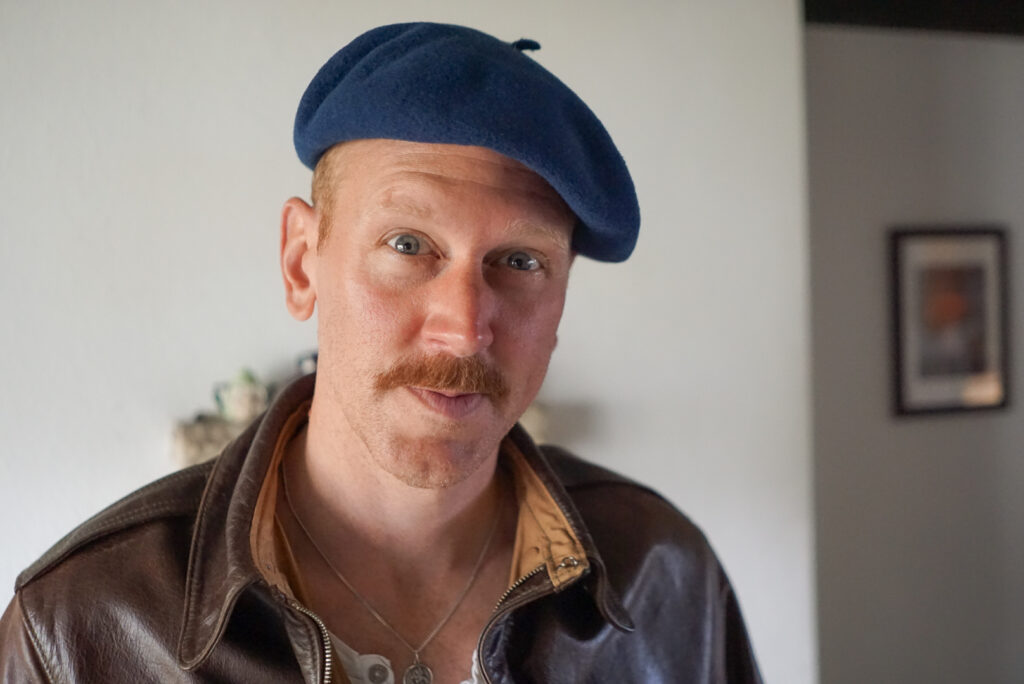
Perhaps it’s that berets have been a lot of things to various different tribes of people. Depending on how you wear your beret, you could be channelling a jazz musician, a gaucho, a resistance fighter or an 80s fashionista. You might be a writer, a painter, a soldier, shepherd or rambler. It has been a symbol of conformity (often literally a uniform) and a symbol of rebellion. There is a sense of comedy about a beret that can be tricky to get past.
And yet despite – and perhaps because of – all this, I’ve found myself increasingly addicted to berets. These days I probably wear one more than any other hat except my fedoras, and I’ve experimented with a few different styles and types to find what I think suits me best.
Many of the guidelines that follow are contradictory – because style is an art, rather than a science, and because fellows who wear berets are unlikely to be rule-followers anyway…
Pick the right beret
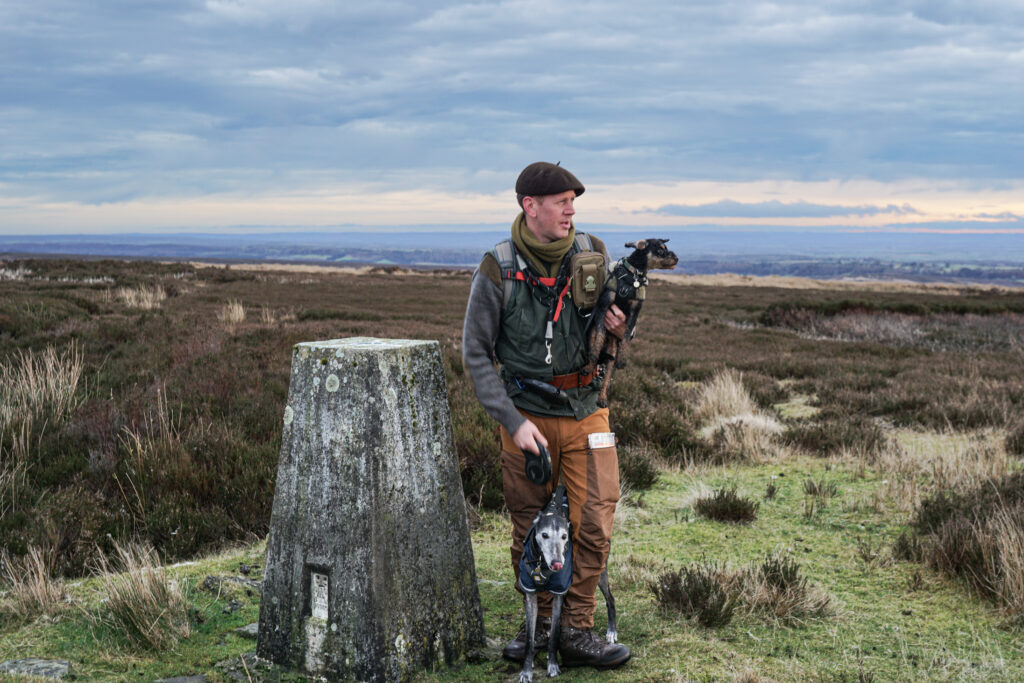
Berets come in a huge range of sizes and styles, and some are a lot easier to wear than others.
Size first, then. The massive French ‘tartes’ (30cm diameter and upwards) are a lot of hat to carry off, though some people look super in them. If you don’t believe me, consider that some of the hardest bastards in the French army wear a beret the size of a family pizza.
For my part, I’m saving those for my retirement, along with fly fishing and camper vans. At the other end of the scale, the little jazz-style ones of 24-26cm don’t suit my long face all that well – though of course they might suit yours. Plus there’s not much hood to play with, and I always think part of the fun of a beret is making it your own by pushing the loose material sideways, backwards or whatever.
For me, the ideal size is around 27–28cm. Chris Sullivan once wrote an excellent article in the Chap magazine (Issue 117, Autumn 2023) disagreeing on this. His preference was for a small beret worn tight and neat. And that’s the thing about style compared to fashion – you dance to the beat of your own tambourine.

As for types, the most obvious choice is in the style of headband. Broadly, there are three main sorts: a simple felt rim, a leather or vinyl-bound one, or a full internal headband of leather or fabric (sometimes adjustable).
The felt ones are usually one size (you can stretch them carefully if they’re too tight), but depending on the wool and your own skin, I’ve found they can sometimes itch a little. Leather ones are usually sized, and while you can stretch or shrink them a little bit if you know what you’re doing, it’s better to just get the right size to start with. Leather or felt rims can be turned in or out for quite different looks – and the leather ones look more military if you leave the rim showing.
You also have to decide whether or not you want the ‘cabillou’ – that little apple stalk in the centre. I like it, partly because it makes me emphatically civilian, but other people find it makes them feel a bit more conspicuous.
Different countries have put different stamps on their own versions of the beret. Japanese ones, for example, tend to be a bit more rounded than the European models, while Argentine ones are often more lightweight and floppy. You might find one particular shape or style suits you better.
Get one you’ll actually be brave enough to wear
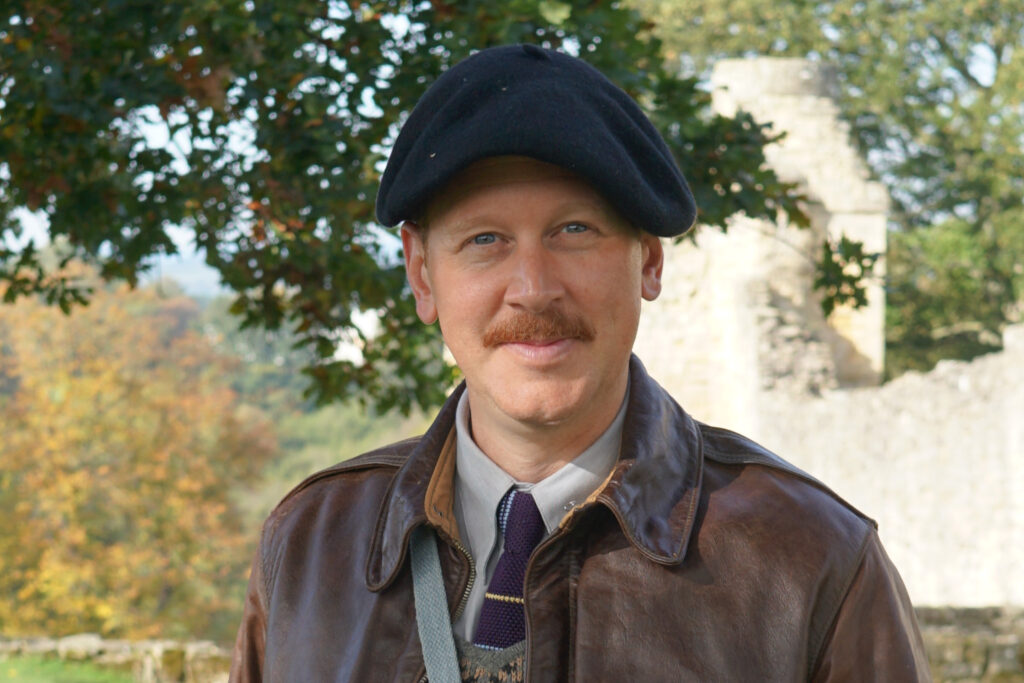
A 32cm Leonardo da Vinci-style pancake in strong red might seem like a good idea when you’re adding it to your online shopping basket, but a smaller, subtler one in black or blue is probably more likely to find its way out of the house. My first beret was a blue Laulhére Authentique, and it still gets a lot of wear.
If you’re just dipping a toe in the world of beret-wearing, you could try one from Sterkowski in Warsaw. Apart from being smart and well-made, the Polish-style beret is sewn together out of panels of wool felt, rather than being felted in one piece. Depending on how you wear it, it’s a bit closer to a flat cap, and can be easier to carry off than the Basque styles.
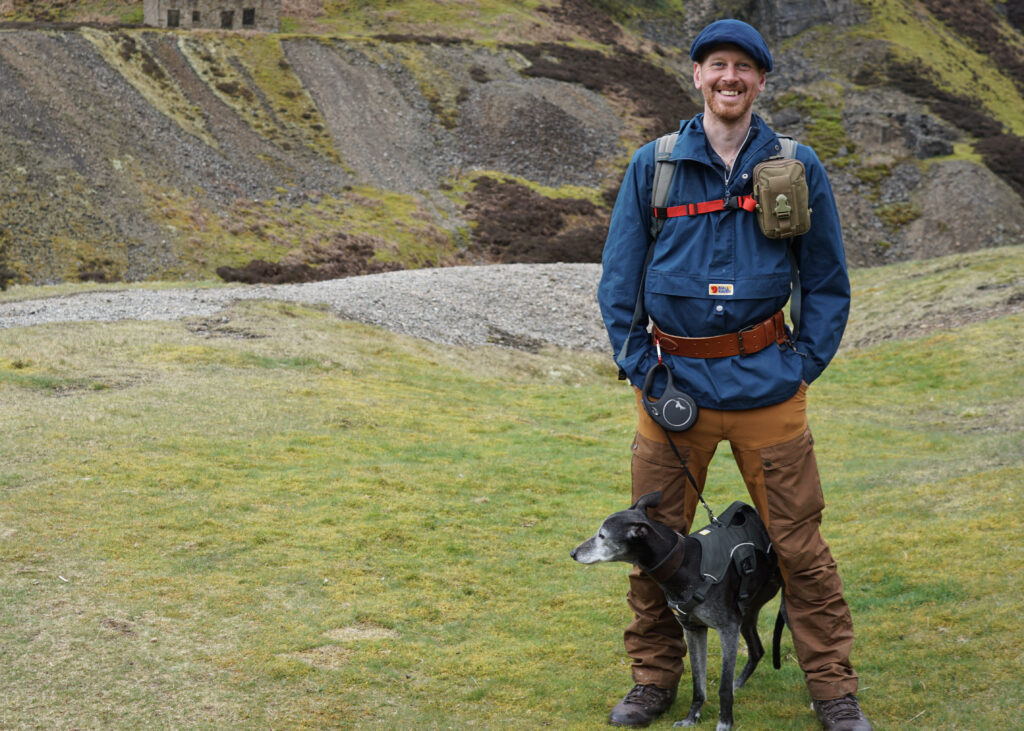
The best range of berets worldwide (as far as I know, anyway) is at South Pacific Berets in New Zealand. It’s a small business run by an enthusiast who stocks just about any decent beret in the world (including many that he has commissioned or revived from some of the last remaining craft manufacturers in Europe) – and the owner has a pleasing habit of referring to them as ‘reality shields’, which has always tickled me.
Decide how you’re going to style it
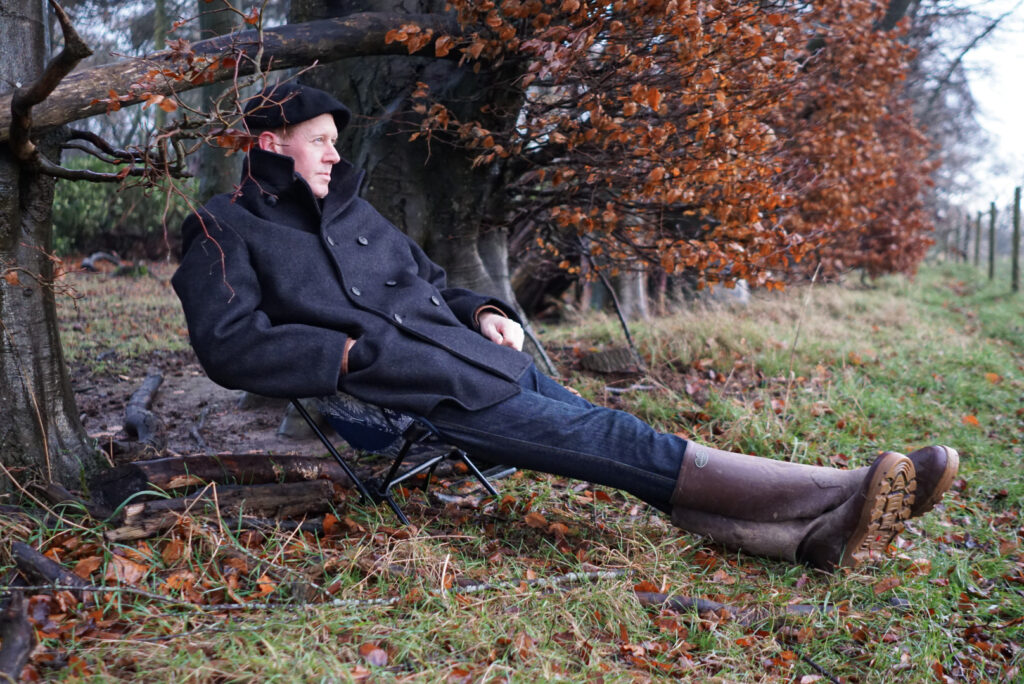
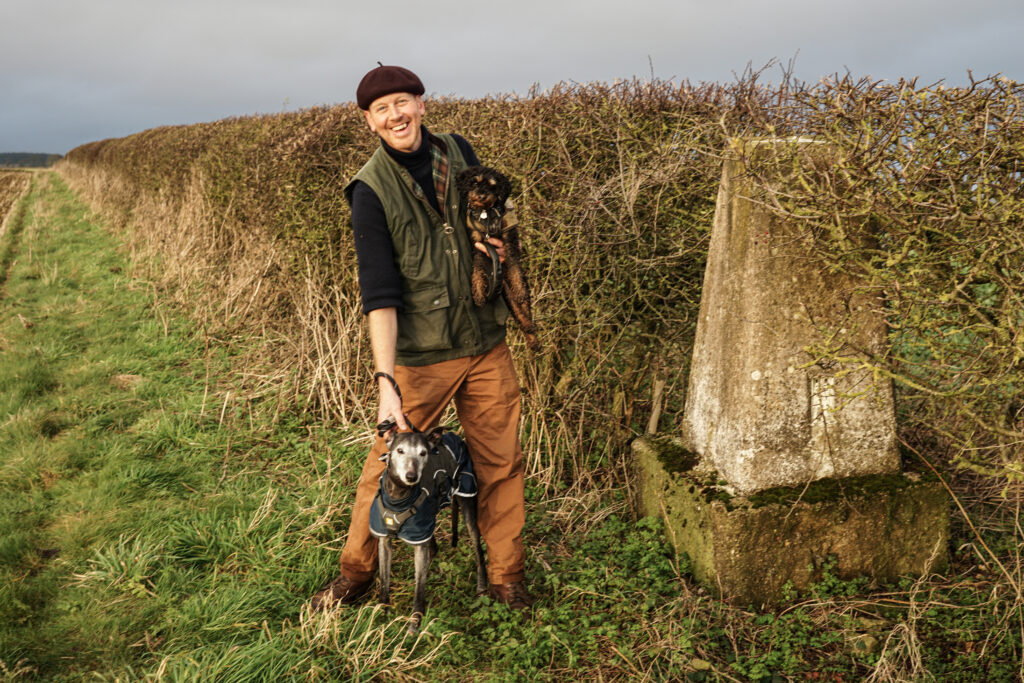
Shaping your beret is what makes it your own. Look at a group shot of a load of beret-wearers from the mid-20th century and they’ll all be wearing that same black felt disc differently. You can pull it forward, sweep it sideways or tip it back. Mould it tightly like a soldier or leave it floppy like a Bohemian. There’s no right or wrong way, whatever Google’s AI summary tries to tell you. For my part, I like mine pushed over to the left and pulled forward into a sharp peak, like an old Basque fisherman.

Having been an army cadet back in the day,* I tend to mould my beret more permanently by dipping it in warm water, shaping it how I want it on my head, then carefully removing it and hanging it up to dry (or, heresy or heresies, using a hairdryer). You don’t have to do this though – and be aware that it may shrink the felt, particularly if there’s heat involved.
*I was so bad at drill that the sergeant used to call me Corporal Jones.
Have a good hunt around for some inspiration
The best way to feel confident wearing a new or unusual hat is to think of other people who looked great wearing it and imagine yourself as one of them.
For me, it’s Hemingway and Picasso. It’s Borotra, the tennis player (the ‘bounding Basque’ who was involved in one of the oddest battles of the Second World War), or those jaunty young ramblers in baggy shorts and Bergans rucksacks during the hiking boom of the early 1930s (think James Walker Tucker’s Hiking or this wonderful Pathé film). It’s David Niven in Guns of Navarone, or Trevor Howard as Major Calloway in The Third Man. Closer to home, it’s my childhood neighbour – who wore one with a boiler suit and a Barbour – or the old farmer I once met on the moors who teamed his with a battered Defender and a checked Dickies overshirt.
There are lots of places to find inspiration, but The Beret Project blog (and its associated Instagram page) are excellent places to start, along with this long-running forum thread on the Fedora Lounge.
Don’t tip too far into costume
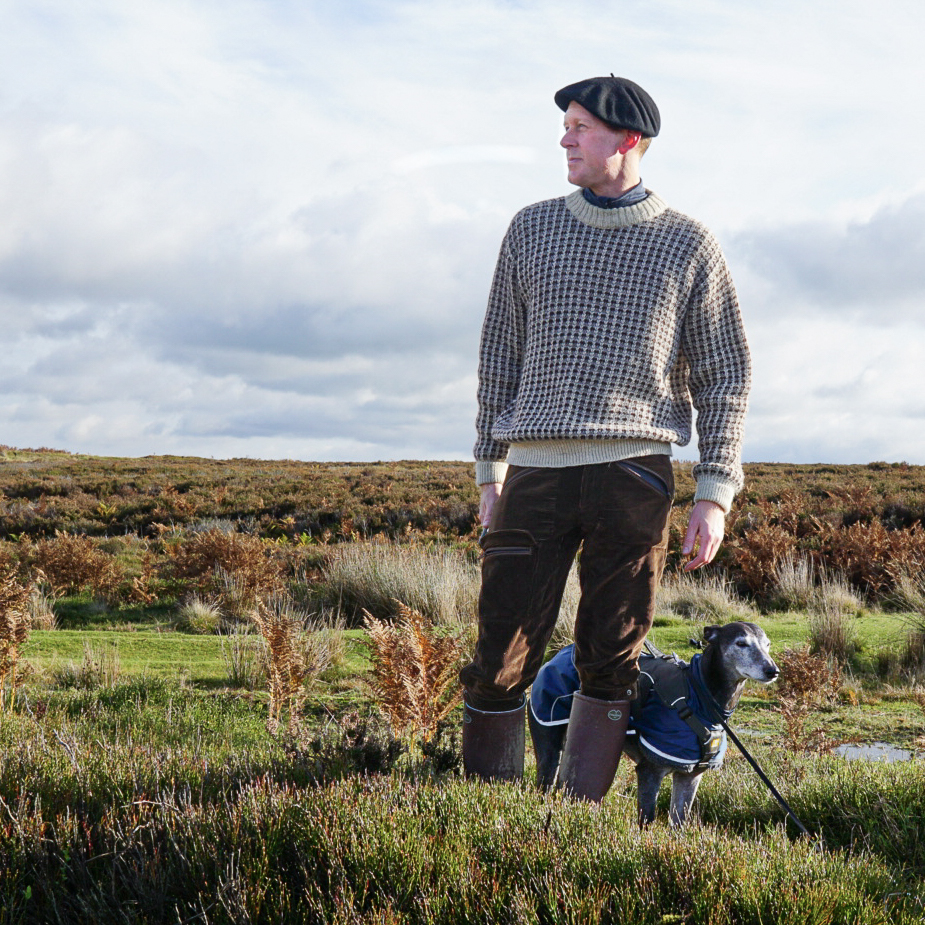
This is perilously easy to do with a beret. You don’t want to look like you’ve gone to a party as a Frenchman or a beatnik or Che Guevara. A little of any of these styles is all to the good, so long as it’s just a flavour rather than a full outfit.

For example, I happen to think a beret looks great with a French workman’s blue jacket, but adding a red neckerchief might be a bridge too far. Likewise, if the rest of the outfit has a military lean (and a beret does look cracking with a field jacket), I’d go for a Basque-style beret with an apple stalk – and I wouldn’t pick a maroon or forest green one because I’m not a Para or a Marine.
And that’s the thing, because – assuming you want to look good to others as well as to yourself – it’s worth remembering that people around you who are not into hats will have very definite (and limited) frames of reference into which they will try and shoehorn you.
Just as a man in a leather jacket and fedora will always be ‘trying to be Indiana Jones’, so a Breton shirt and beret will make you ‘French’, a larger beret with any sort of working smock will make you ‘a painter’ – and to anyone of a certain generation, a man in a small black beret and beige trenchcoat will elicit shrieks of ‘Oooooooh BETTY!’
I’m afraid you will need to embrace this. People will always make jokes about a beret, however that doesn’t mean you have to make it too easy.

Be an eccentric rather than an exhibitionist
The fun thing, I think, is to push your dress sense towards the unconventional, but just a little. To do your own thing and look quietly assured in it – as if it’s nothing special – rather than screaming for attention.
A beret is quite a statement as it is, so I tend to shy away from combining it with other stuff that I secretly know is a bit over the top. For instance, I have an excellent 1970s Del Boy sheepskin coat, but I probably wouldn’t wear a beret with it.
As usual, there’s an exception to every rule. I once received a free beret made out of an old sack, and for whatever reason I have become quite attached to it. I wear it when I want to look like a scarecrow.

Wear timeless things with timeless things
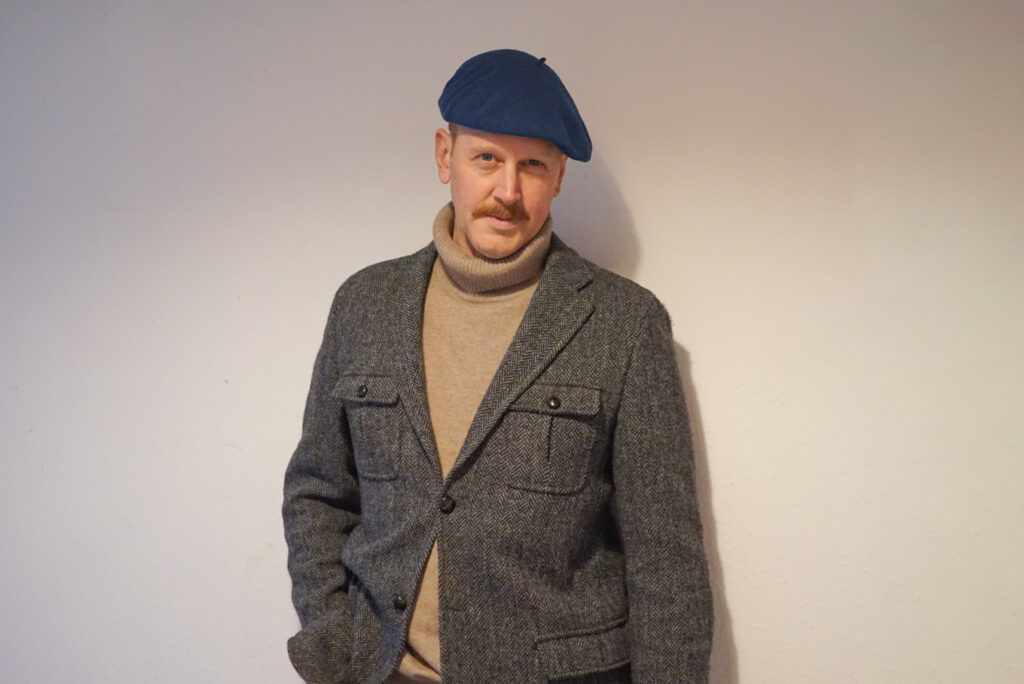
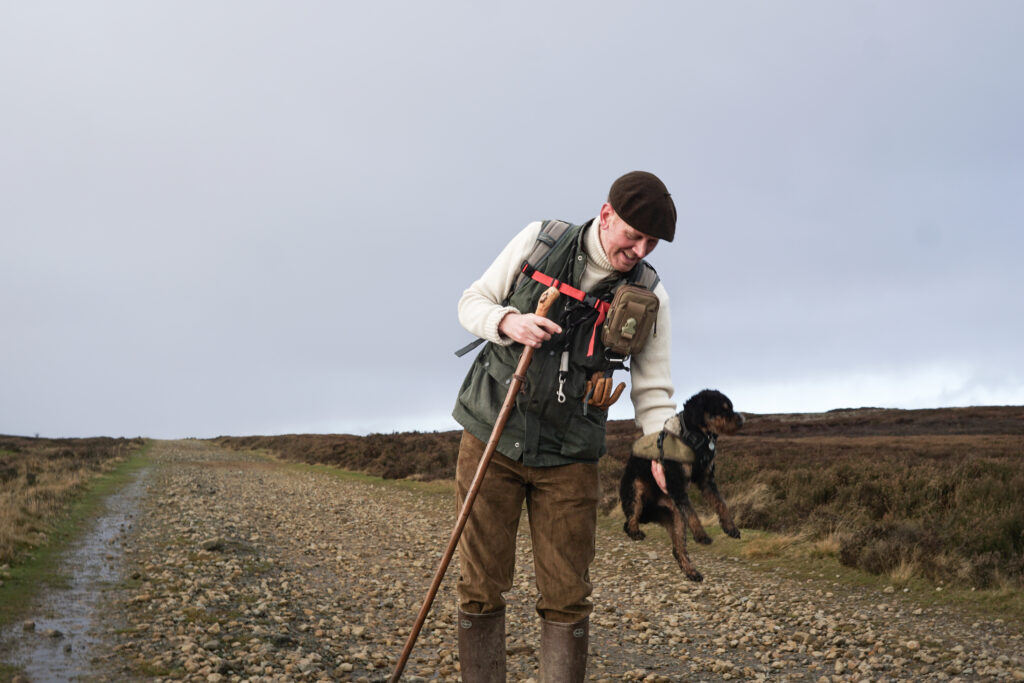
A beret is fundamentally a bit old-fashioned, and I’ve found it tends to look good with more classic outfits. I like a beret with a peacoat, tweed jacket or an A2 leather flight jacket. My old and much-loved Gloverall duffel coat looks killer with a brown merino beret. They also go well with chunky knitwear like ganseys, and I’m particularly partial to a beret teamed with a roll-neck submariner jumper.
Flick through some photos of The Chap’s annual (and sometimes biannual) Grand Flaneur Walk in London and you’ll see lots of fellows wearing a beret with a suit. Often quite an outlandish suit in the case of the flaneurs – but I think the combination of tailoring and a beret can look very dapper even if neither element is mint green.
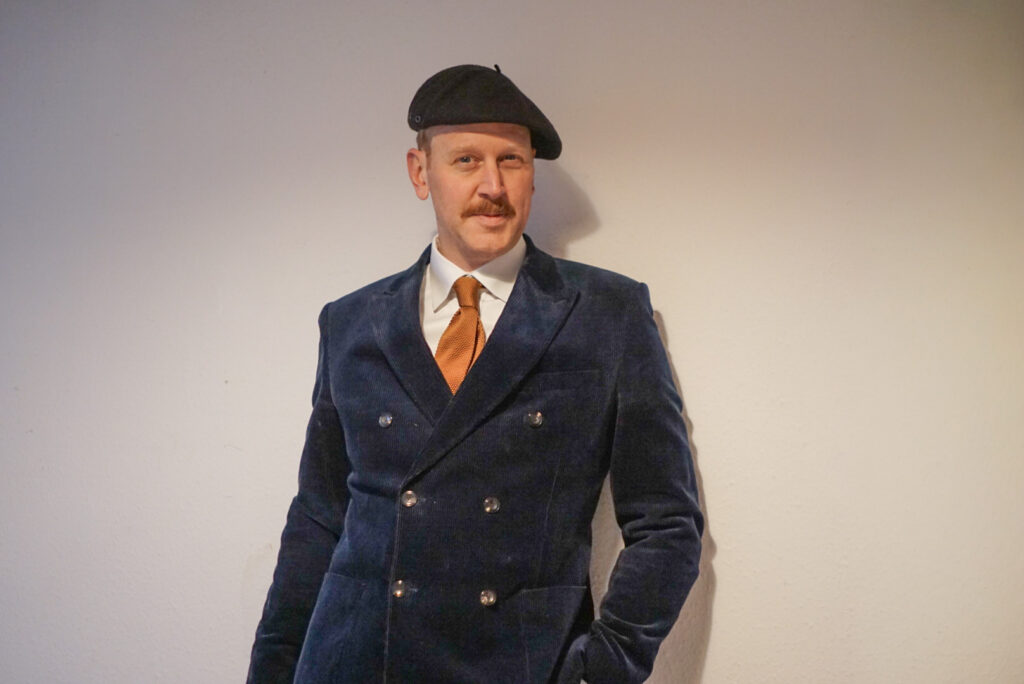
I do think a bit of texture in the suit is a good idea. I reckon a beret would fit beautifully with a more understated workwear-style suit (I currently covet one of these from Wolf in Sheffield), or a nice strong tweed like a Harris or houndstooth. My own particular favourite beret suit is a double-breasted corduroy effort that makes me feel like a 60s jazzman.
Wear it with normal stuff too
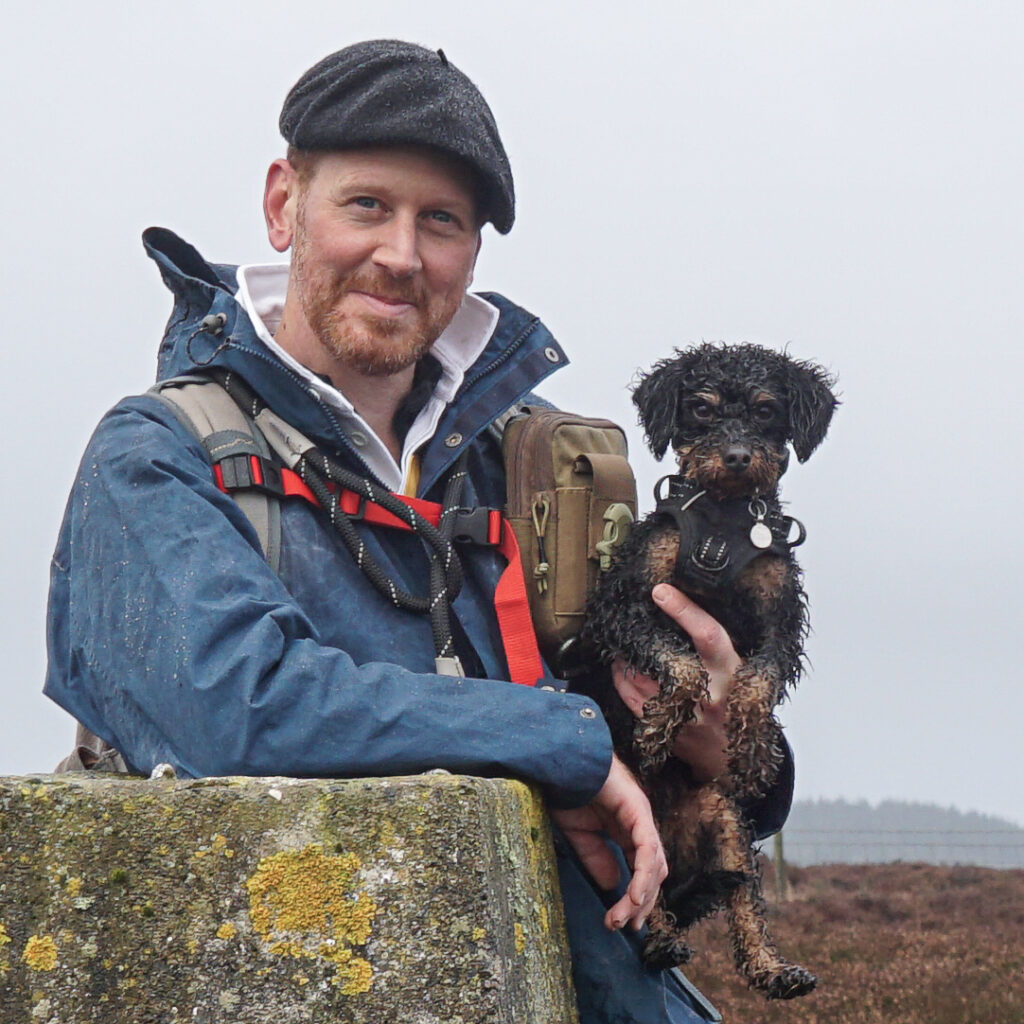
While a beret fits nicely with the heritage bits, I quite like wearing one with more standard outfits too. A beret goes with a rugby shirt, a t-shirt and jeans or my outdoor gear – and I think it looks especially good with a waxed jacket like a Barbour.
I’m also a big fan of a beret teamed with a gilet – whether that’s a waxed farmer one, an American-style insulated vest in worn-in canvas duck, or a wool Nehru waistcoat.
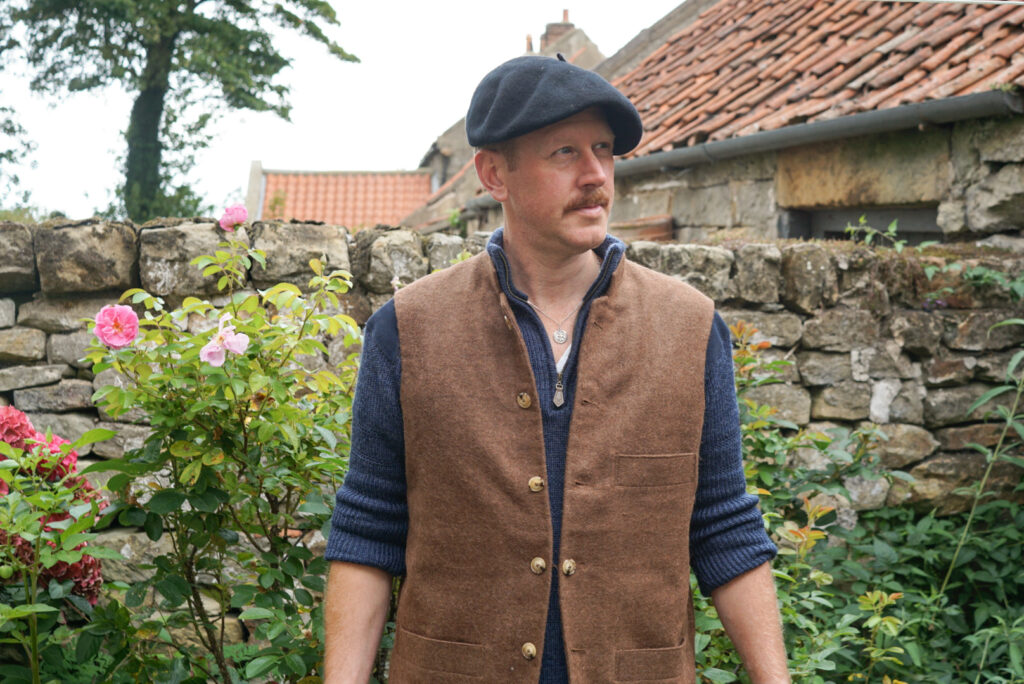
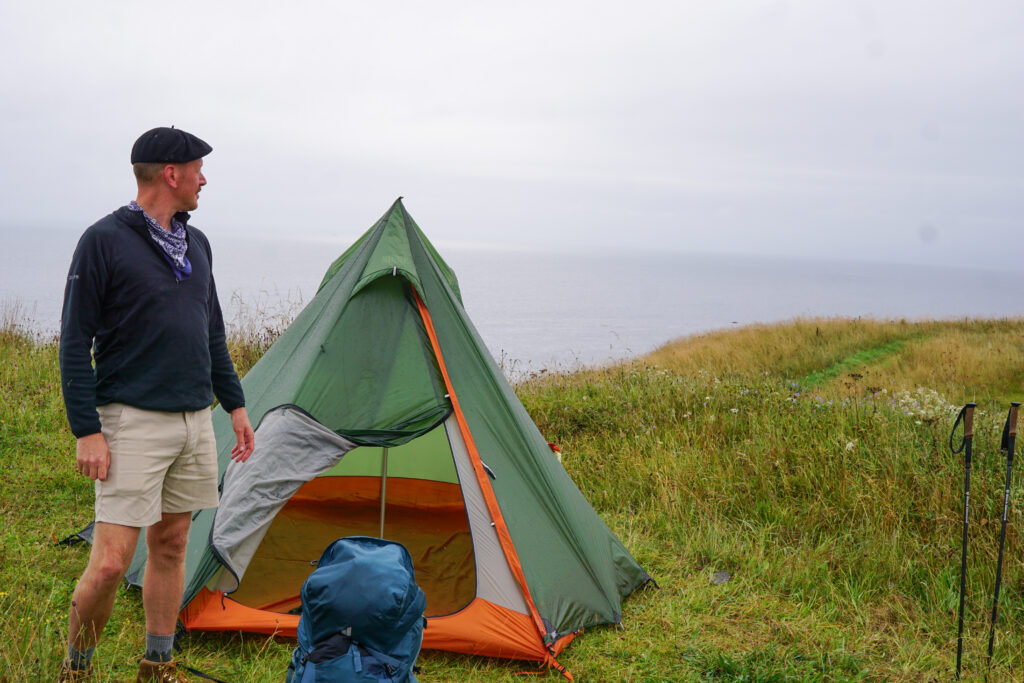
Wearing a beret with a bodywarmer makes me feel a little bit gaucho, which in turn reminds me what a thoroughly practical hat it happens to be – perfect for keeping your head warm and the sun/rain out of your eyes. I wear one for hiking, camping and kayaking, and I pretty much always have one rolled-up in my bag or pocket when I’m out walking.
Sometimes the stars align in unexpected ways. Once, while walking the Dales Way on a sopping wet day, I ducked into a pub in Dentdale only to find a little gypsy jazz festival in full swing. Obviously they were absolutely delighted to see a man turn up in a beret, accidental as it may have been.
Wear it with absolute confidence
Originally, what I liked about berets was the thought of myself wandering about in the world wearing one. But this sense of the absurd will only get you so far. I think the real trick is to persuade yourself that your beret is no more remarkable and outlandish than the baseball caps and beanies that everyone else is wearing.
The difference between carrying any outfit off with confidence and looking like a try-hard is how self-conscious you feel about it – and if you’re constantly thinking about the fact that you’re wearing a beret and wondering how people will react to it, then there’s an argument that perhaps the hat is wearing you.
To put it another way, I said earlier that whenever anyone sees you in an unusual hat, they will try and shoehorn you into whatever narrow frame of reference they have for it. But actually the trick is to try and steal that initiative. It’s up to you to decide which of those many beret-wearing types and people you’re trying to project, and to project it without trying to. Decide what you’d like to be, do it clearly and confidently enough and odds are you’ll carry it off.
And perhaps that’s really why I like berets so much, because – function aside – that’s the essence of hat-wearing, and of style in general. You need a bit of confidence and imagination to make it work, and in the modern world a beret takes a lot of both.


What lovely photos!
Helen
I have a good photographer.
indyjols